 AI Generated
AI Generated
AI Generated
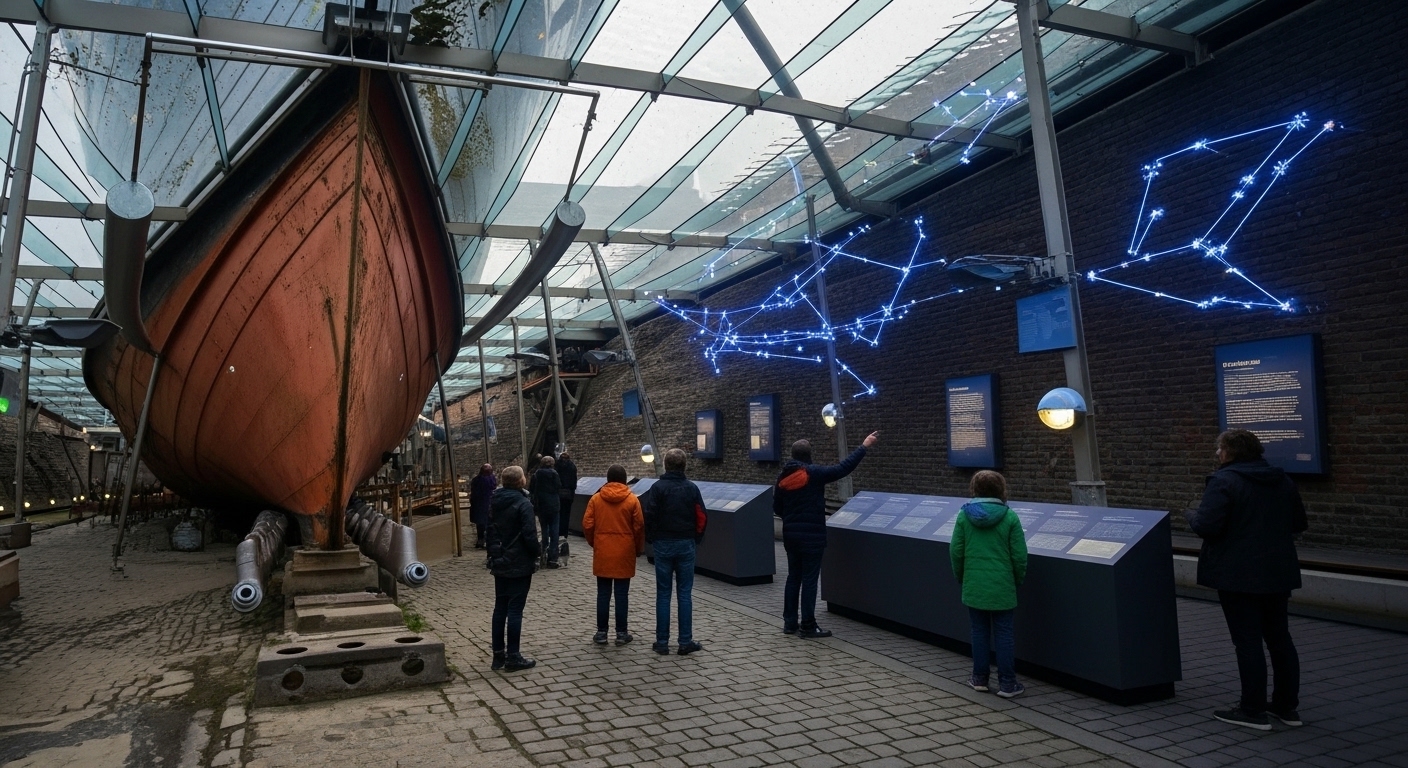
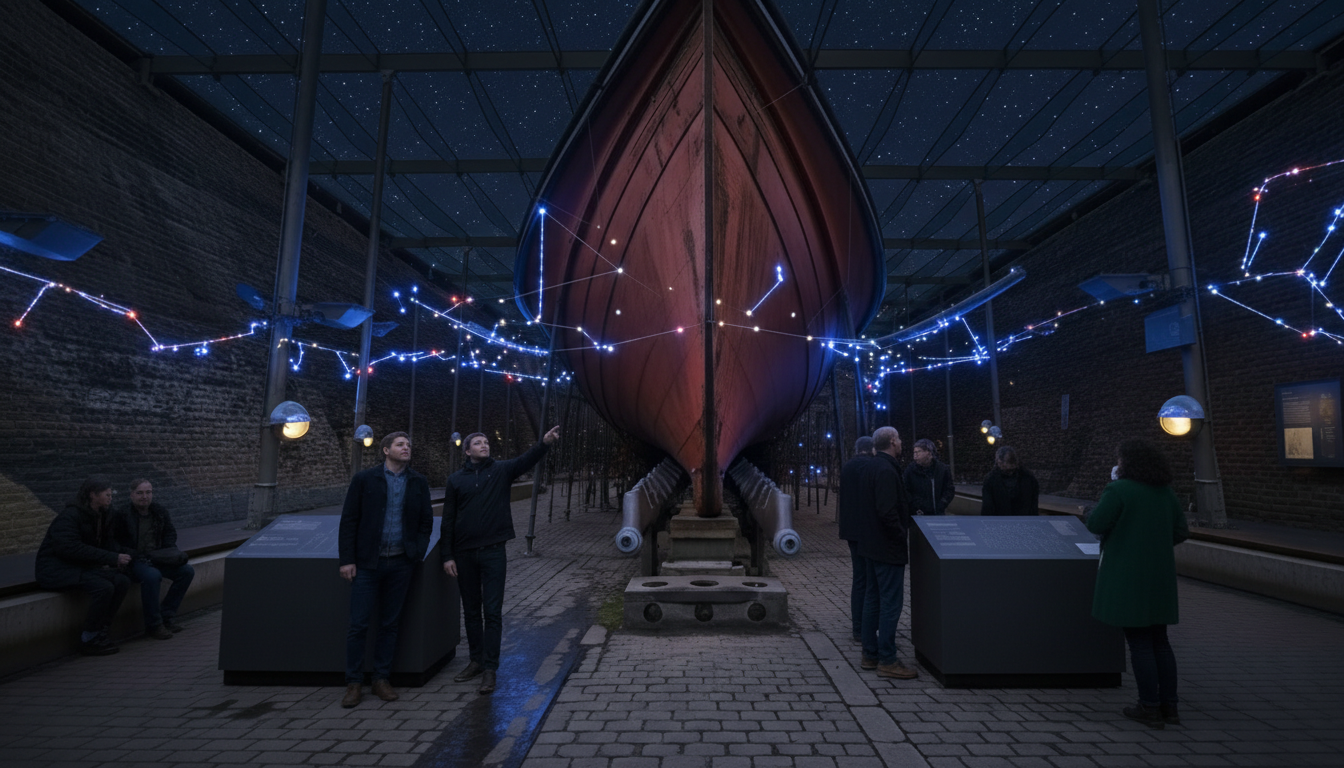
Visitors walk beneath constellation sculptures suspended between the hull and the dock wall. LED colours, crystal materials, and sizes are all subject to prototyping.
We have designed an installation that brings to life SS Great Britain’s voyage through celestial navigation. The stars overhead shift as the journey unfolds, just as they did for the navigators at sea. Working primarily with the dry dock space, we have designed a trail of constellations that allow visitors to walk the voyage the ship actually made, following the changing sky from northern departure to southern arrival and back again.
We felt that the dry dock is the best-suited space on site for a light installation of this scale. It’s sheltered, the lighting is controllable, and the steel beams provide ready-made anchor points. That makes it the place where a fixed budget can create the biggest impact. The sculptures are also fully weather-rated and magnet-mounted, so we are open to placing constellations on the deck, in the dockyard, or in other interior spaces — see Beyond the Dry Dock below.
Each constellation is a web of fibre optic lines with a crystal at every star. Glowing side-glow fibre traces the constellation lines between stars, while invisible end-glow fibre runs from the beam down to each crystal — carrying light from a single Twinkle Engine above and holding the whole structure rigid. The crystals are sized and coloured to match the real stars — bigger crystals for brighter stars, blue-white crystals for hot stars like Rigel, warm orange for cool stars like Betelgeuse. The dock is naturally dim enough that the constellations glow both day and night; if needed, we can add blackout material to the glass ceiling to deepen the effect further.
The constellations will be paired with elegantly designed information plinths that allow visitors to discover more about the constellations and placement of the ship on the globe.
The constellations hang from the steel beams above, suspended on near-invisible fibre optic lines. There are no permanent fixings — everything attaches with magnets that leave no mark on the Listed structure. The whole installation plugs into a single mains socket and can be switched on and off by your staff with no specialist knowledge.
Each story plinth houses the constellation’s PSU, twinkle engine, and a small speaker and player — all connected via waterproof 12V plugs, no extra cabling needed. Each station auto-plays its own ambient track on power-up, with subtly different tracks at different constellations. We envisage gentle, relaxing ambient music — quiet enough to sit beneath the dock’s own atmosphere of wind, water, and the echo of footsteps on stone, and suited to sensory-sensitive visitors. Because the tracks are quiet and similar in character they blend rather than compete, creating a diffuse sound field that shifts as visitors walk between constellations — reinforcing the sense of moving through different spaces on the voyage.
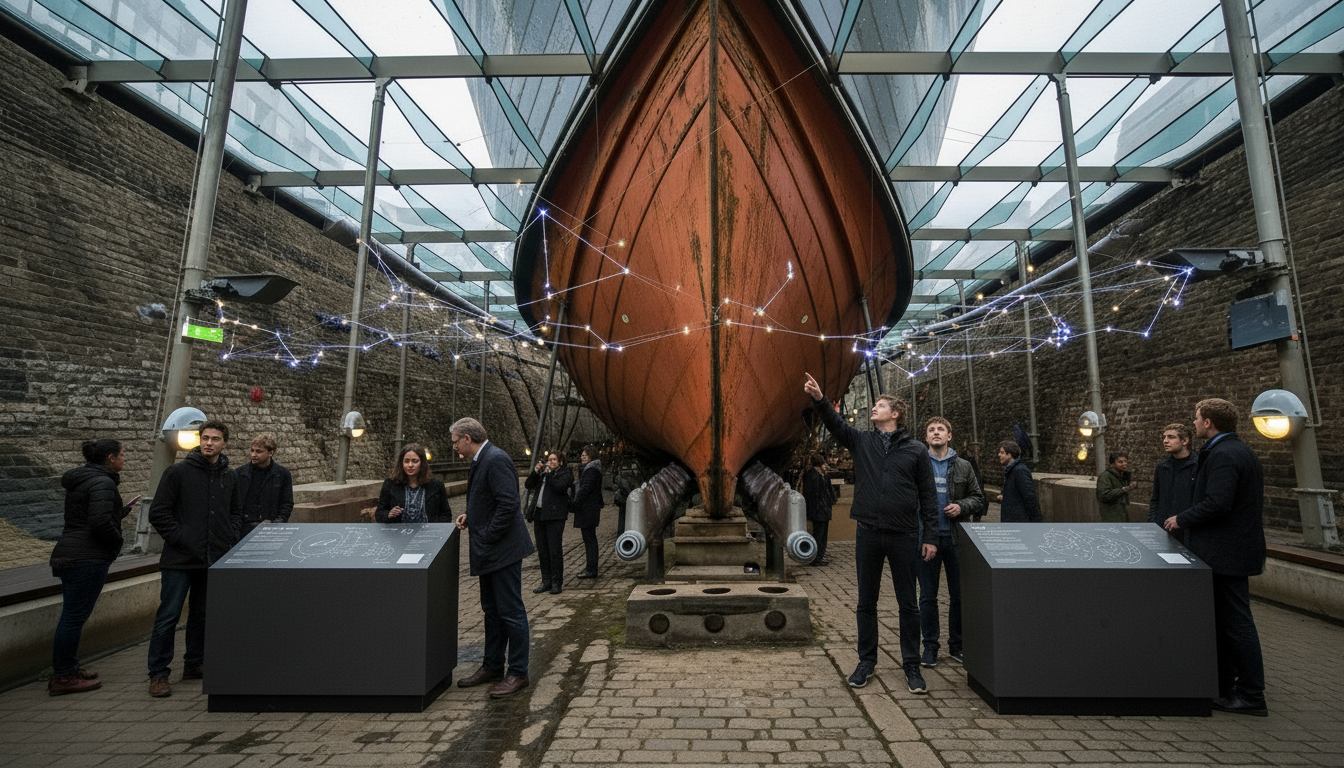
The installation looks different depending on the light, and both modes work well. Crucially, the viewing geometry is on our side: visitors stand on the flatter ground beside the ship and look outwards toward the dock wall. The constellations hang just above head height on the far side of the story plinth, where the ground rises toward the wall — high enough to read as overhead stars, but not so high that open sky appears directly behind them. The dark stone dock wall provides a natural backdrop, giving the lit constellations strong contrast in any conditions.
 AI Generated
Day — natural light through the glass sea. The constellations read clearly in full daylight.
 AI Generated
Night — LED-lit fibre lines and star crystals glow against the darkened dock.
Rough impressions showing the same view in day and night conditions. LED colour, crystal material, and fibre gauge will be finalised during prototyping.
Above the dry dock, the “glass sea” creates a unique opportunity. Rainwater pools on the glass panels and ripples in the wind, and the glowing constellations will reflect up into this shallow water — doubling the effect and creating the impression of stars submerged in the ocean, visible both from below and from the dockyard above. The ripples will make the reflected stars shimmer and shift, a natural animation that no lighting rig could replicate. Beneath the waterline, the glowing points carry a bioluminescent quality — as if the dock itself has come alive with deep-sea light.
The dry dock is the heart of the installation, but the constellation sculptures are inherently versatile — lightweight, magnet-mounted, weatherproof, and designed with IP-rated components. This means they can be located anywhere on site with a steel surface to anchor to, or where a 3mm cable can be added to create additional anchor points (using the same C-clip and eye glider system). We are open to exploring several possibilities with the Trust:
These locations can be discussed during the prototyping phase. The core budget delivers the full dry dock installation; placing some constellations elsewhere is a curatorial choice rather than an additional cost.
The SS Great Britain made 32 round trips from Liverpool to Melbourne between 1852 and 1876, each a near-circumnavigation of the globe — outward via the Cape of Good Hope, return via Cape Horn. Her navigators found their way by the stars, measuring them with a sextant to fix their position at sea. As the ship crossed from 53°N to 56°S, the sky overhead transformed completely.
We have computed the visibility of every constellation at every point along the actual voyage route. The results reveal a powerful narrative arc: familiar northern stars vanish, equatorial constants persist, and an entirely new sky appears. The installation follows this journey. The dry dock has a walkway around the ship, and we use it to tell the voyage in five acts:
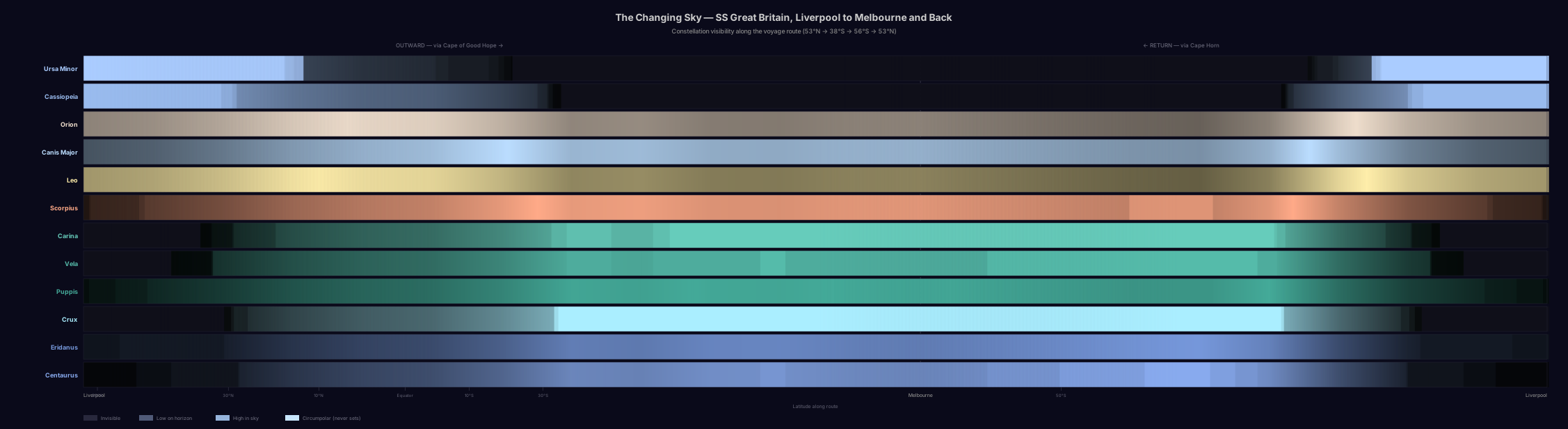
The changing sky along the voyage route. Each horizontal strip shows one constellation’s visibility from Liverpool to Melbourne (outward, left) and back via Cape Horn (right). Bright = high in the sky. Dark = below the horizon.
 AI Generated
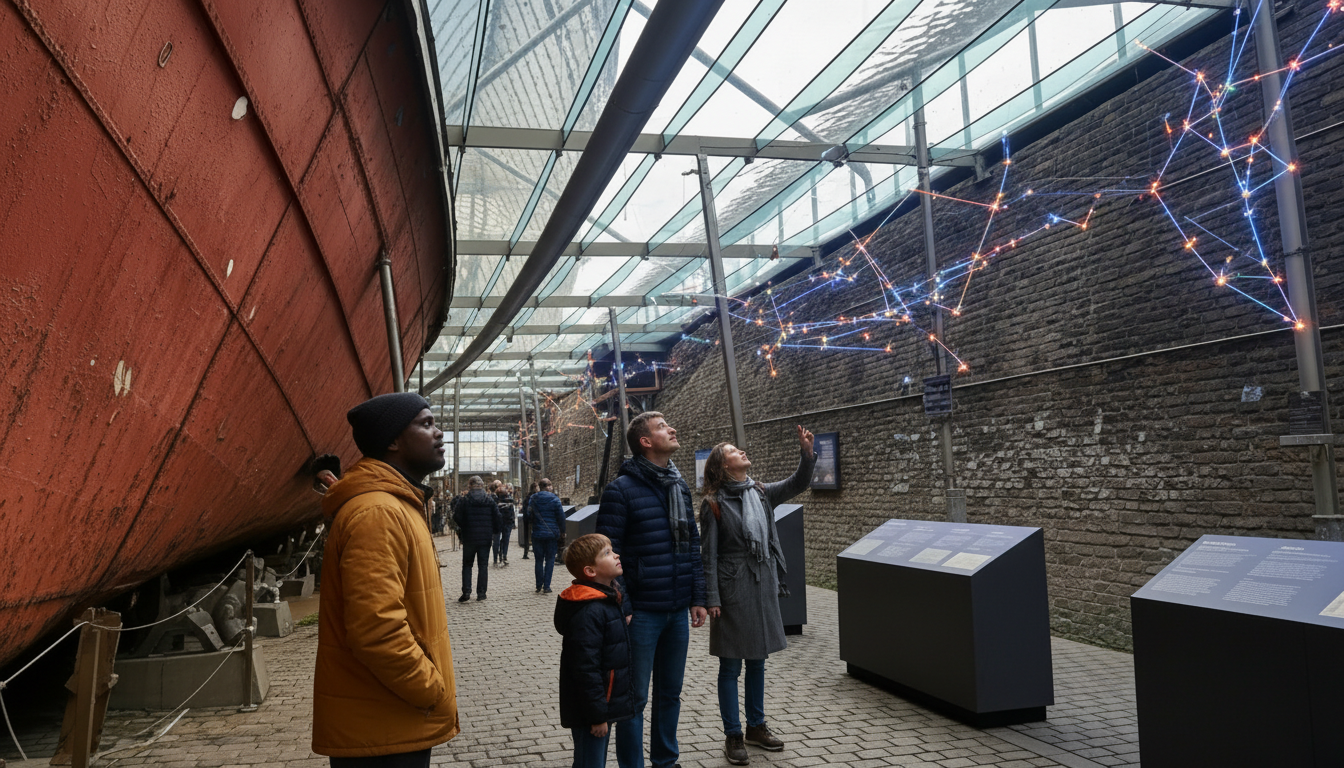
Visitors encounter each constellation individually as they walk the dock, with an story plinth directly below.
Each constellation is a moment of discovery. Beneath every one, a small story plinth tells its stories — how the ship’s navigators used it, and the myths it carries from the cultures the SS Great Britain connected: Greek, Aboriginal Australian, Arabic, Polynesian.
Visitors can:
We propose to fill the entire dry dock with constellations for a single fixed price of £25,000 + VAT. The R&D, prototyping, rigging, and electrical setup are largely fixed costs regardless of how many constellations go in. We will use our artistic judgement to find the right balance of number, size, and spacing to make the dock look its absolute best — and work closely with Trust staff throughout.
We have scored all 88 constellations against the ship’s actual route — how dramatically their visibility changes between Liverpool and Melbourne, whether they contain navigation stars, how bright and recognisable they are, and how strongly they connect to maritime culture. From that analysis we selected 12 that create the strongest narrative arc:
| Group | Constellations | Story |
|---|---|---|
| Farewell | Ursa Minor, Cassiopeia | Circumpolar at home, invisible by Melbourne |
| The Thread | Orion, Canis Major, Leo | Visible from everywhere — the constant companions |
| Transition | Scorpius | Barely visible at 53°N; circumpolar at Cape Horn |
| Argo Navis | Carina, Vela, Puppis | The celestial ship — Keel, Sails, and Stern |
| The New Sky | Crux, Eridanus, Centaurus | Invisible from England; circumpolar in Melbourne |
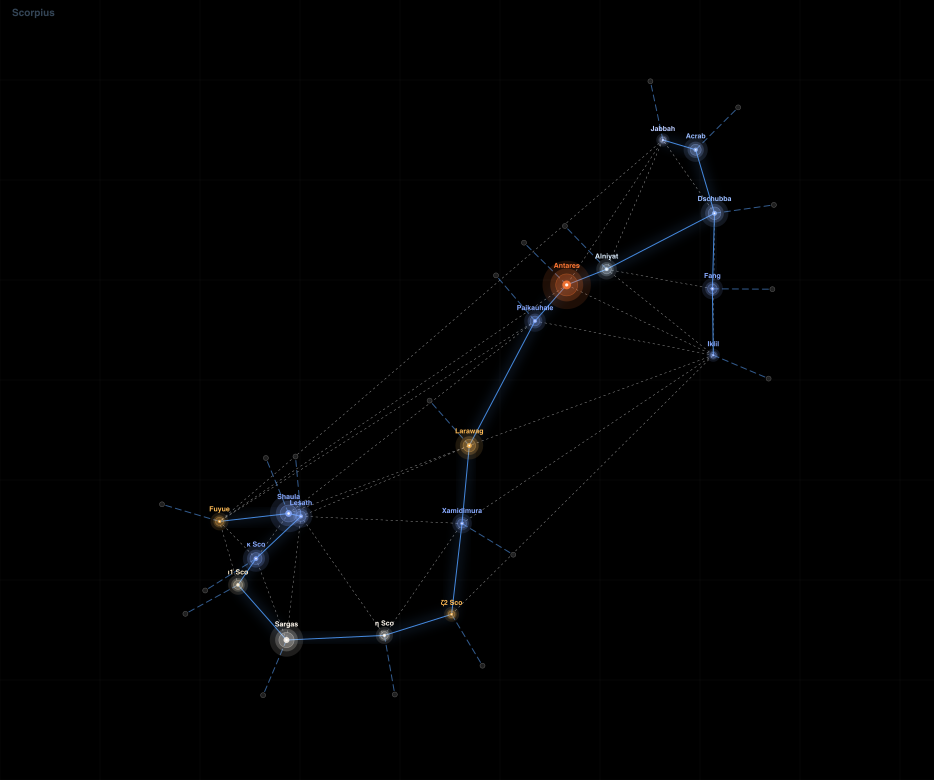
Here are two examples from the catalogue:
 Physics Model
Scorpius — 18 stars. A dramatic sweeping tail with Antares (orange) at the heart. Barely scrapes Liverpool’s horizon; dominates the southern sky.
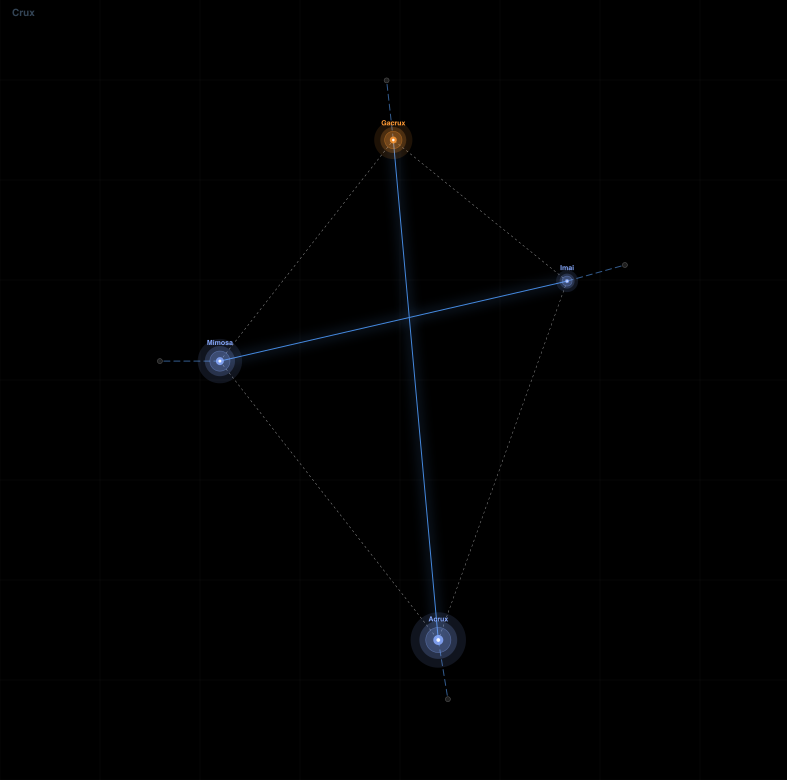 Physics Model
Crux (the Southern Cross) — 4 stars. The iconic southern constellation, used to find the South Celestial Pole. Invisible from Liverpool; circumpolar over Melbourne.
A full technical breakdown is in the enclosed Design & Engineering Report. Here is a summary.
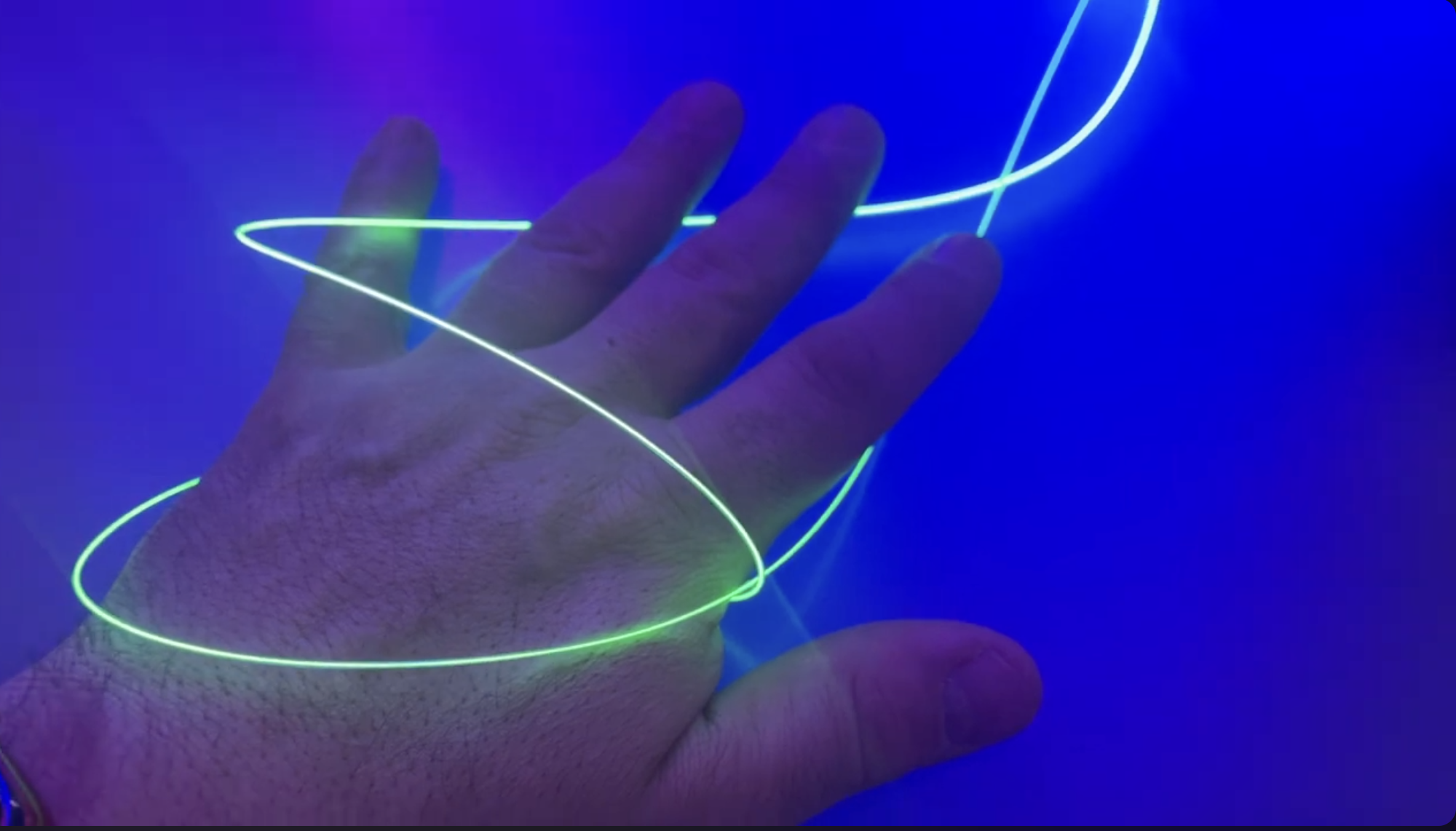 Side-glow fibre
 End-glow fibre
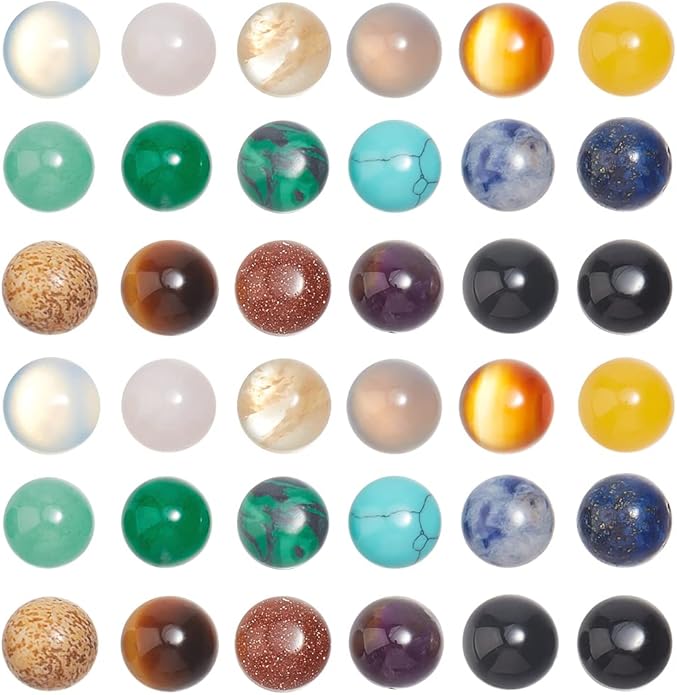 Crystals
 UV optical resin
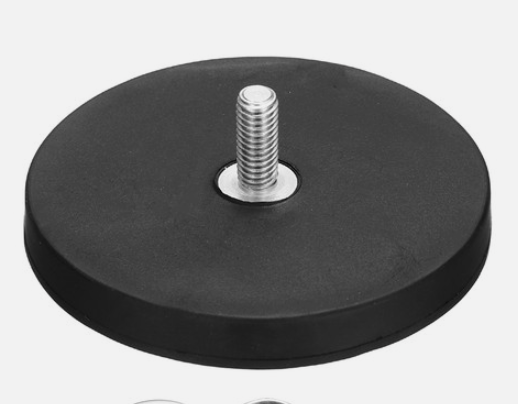 Pot magnet
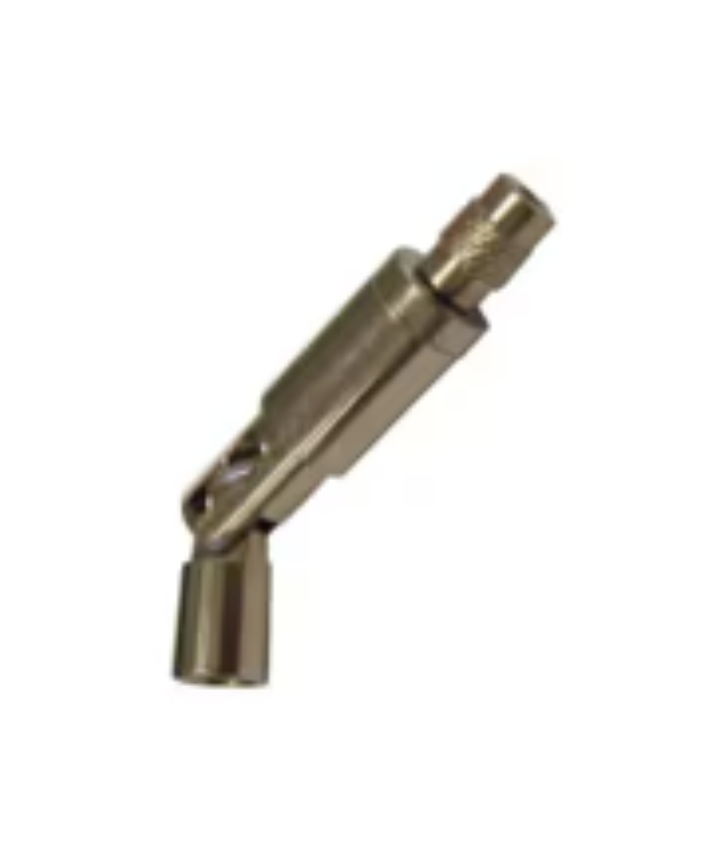 TECNI® angled glider
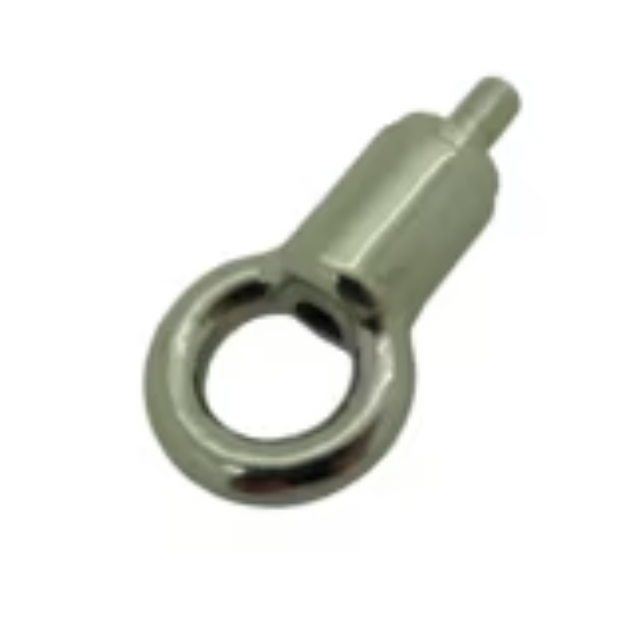 TECNI® eye glider
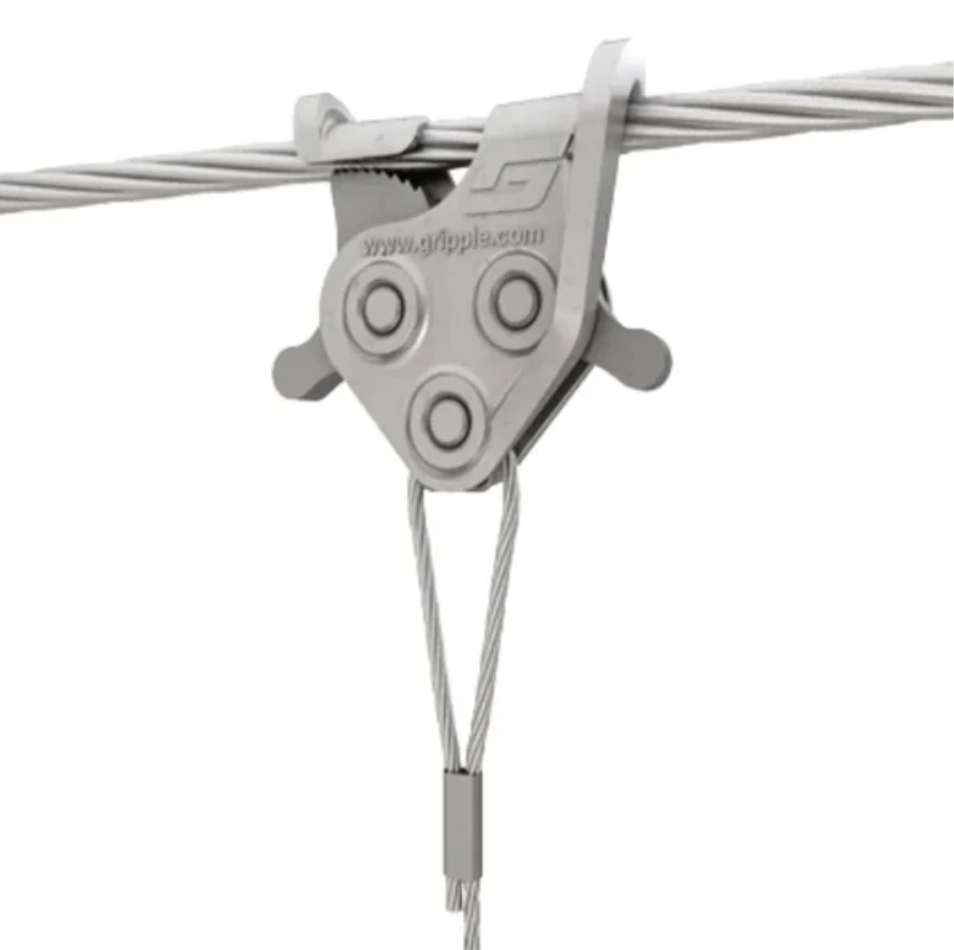 Gripple® C-Clip
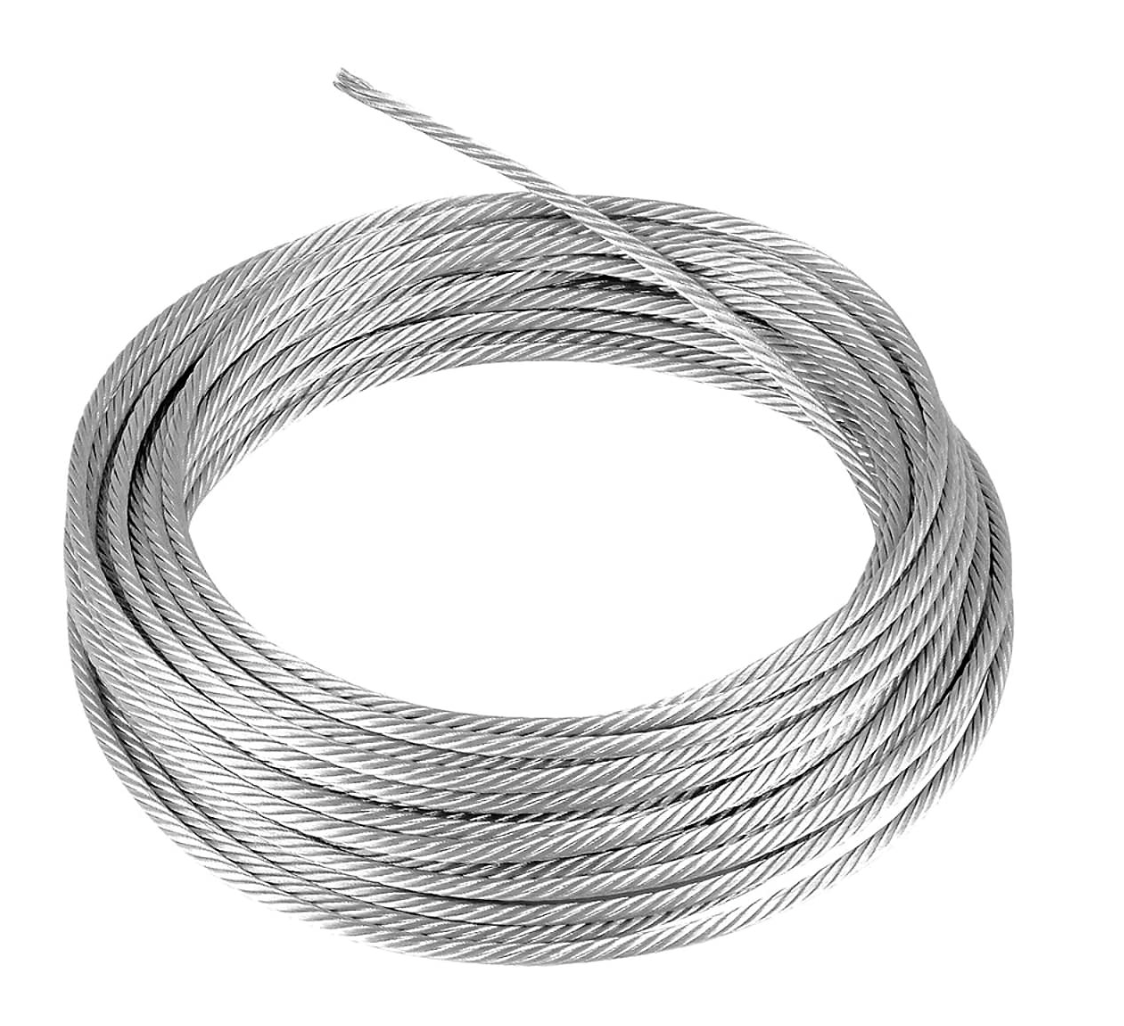 3mm stainless wire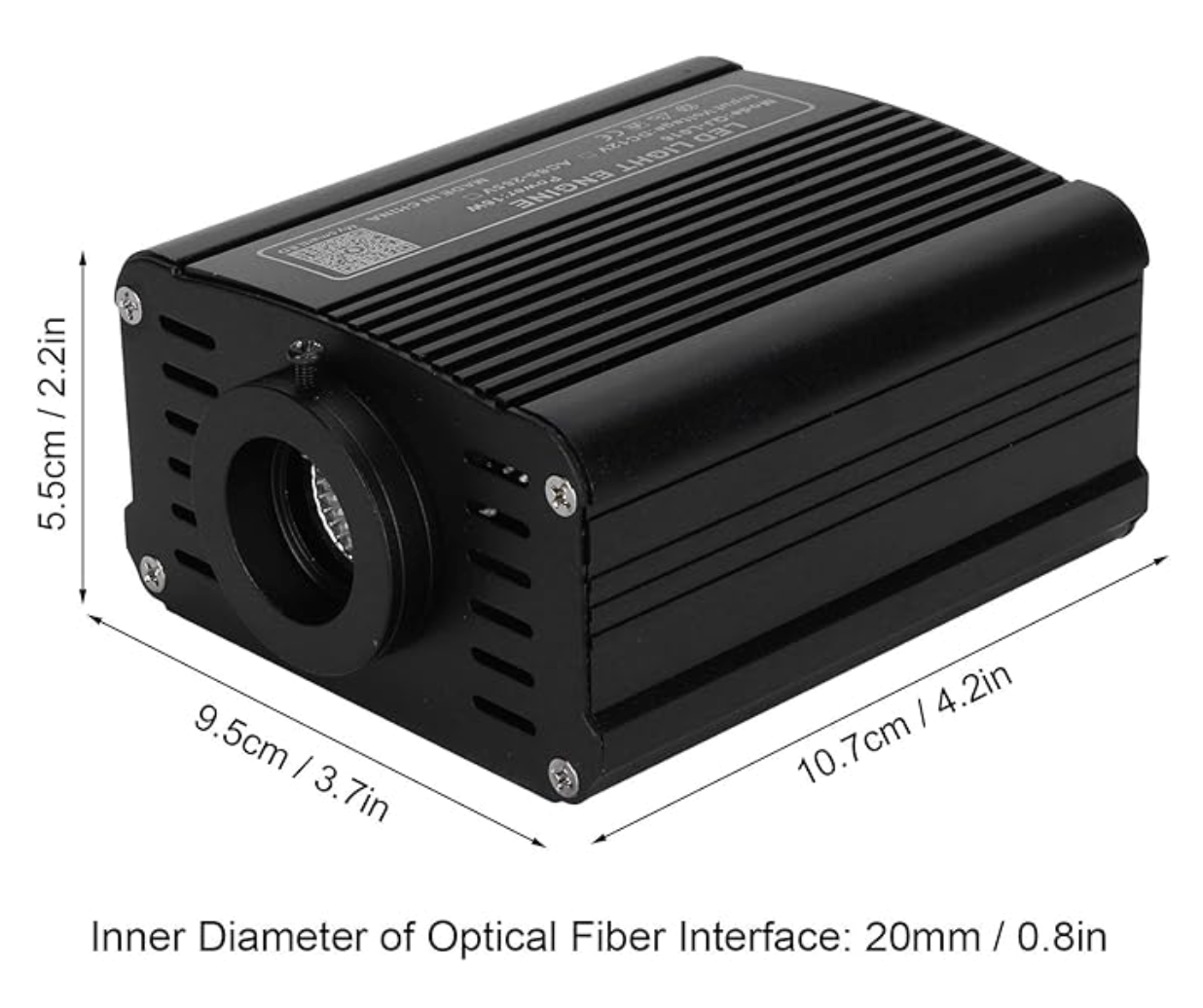
16W RGBW twinkle engine — 20mm fibre port, CREE LED, built-in twinkle wheel and driver. One per constellation, 12 total.
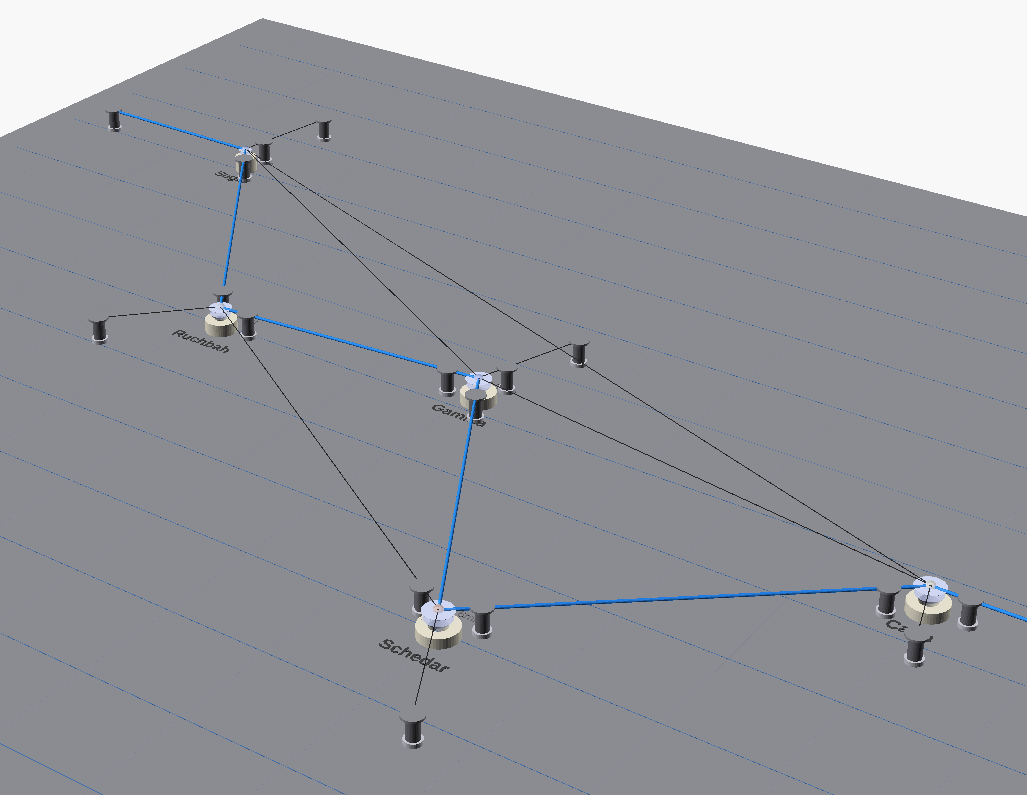 CAD Model
CAD MODEL — assembly jig. Each constellation is laid out and assembled on a full-scale template before installation.
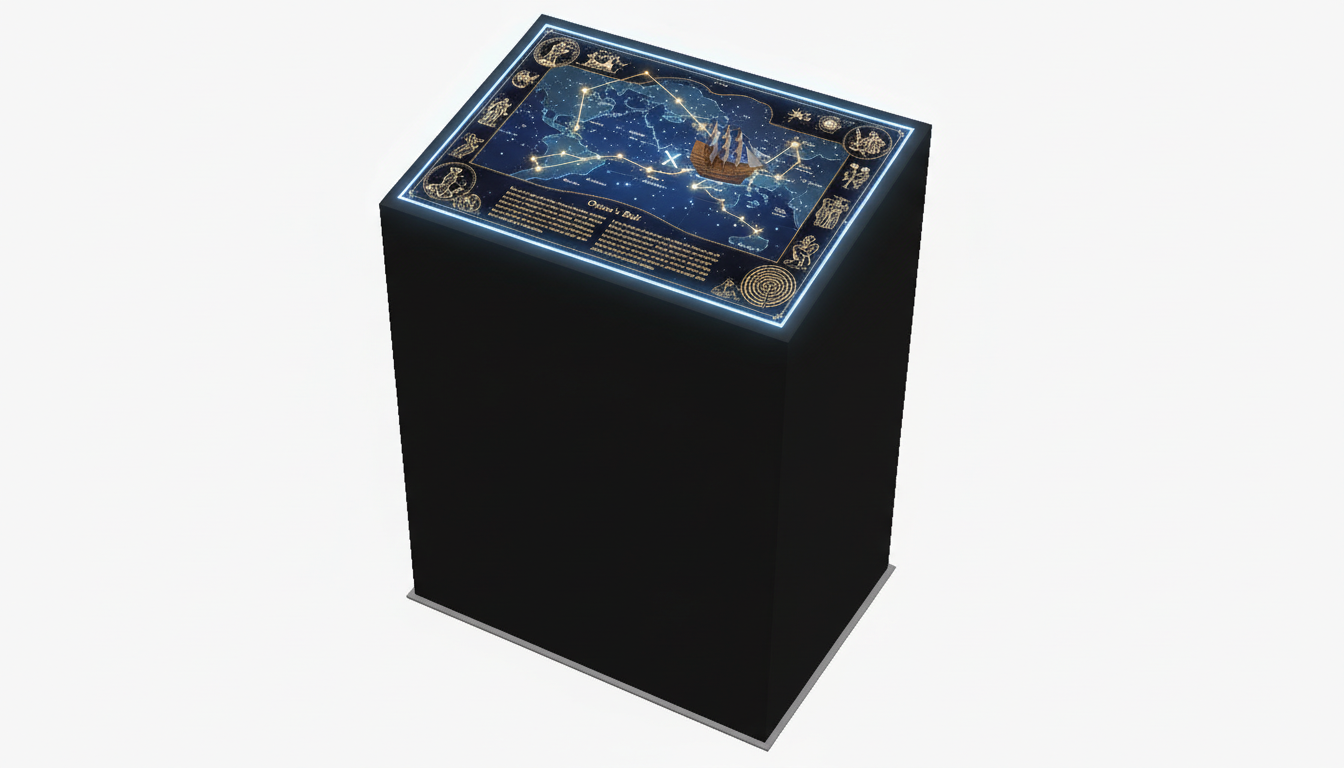 CAD Model + AI Generated
Story plinth. Matt black MDF lectern with backlit Perspex top. Houses twinkle engine, PSU, and speaker in IP65 enclosures inside. Actual geometry may vary per position depending on the sloping dock floor and available width.
The total is fixed at £25,000 + VAT, covering everything: design, prototyping, materials, fabrication, installation, interpretation, insurance, and travel.
| Category | What It Covers | Cost |
|---|---|---|
| Materials & tools | Side-glow fibre, end-glow fibre, crystals, twinkle engines, structural hardware, electrical components, mains distribution, ambient sound, plinth materials, workshop jig, tools | £5,484 |
| Labour | Design & engineering (80 hrs), prototyping & R&D (50 hrs), workshop fabrication (100 hrs), on-site rigging (37 hrs × 2 people), electrical installation (24 hrs), stories & graphic design (60 hrs), de-rig (12 hrs × 2 crew), PAT testing | £15,500 |
| Travel & subsistence | Multiple trips to Bristol for survey, install, commission | £1,000 |
| Public liability insurance | Full duration of installation, including rig/de-rig | £500 |
| Prototyping materials | Assorted crystals, LEDs, fibre samples for R&D testing | £400 |
| Headroom (~8%) | Constellation selection and locations not yet finalised; possible placements outside the dry dock. Also covers blackout matting, visitor walkway, and any changes along the way | £2,116 |
| Total (excl. VAT) | £25,000 | |
The budget of £25,000 + VAT includes all materials, labour, installation, de-rig, and ambient sound, with ~8% headroom. Constellation selection, number, and exact mounting positions are still to be finalised — and some constellations may be placed outside the dry dock (crew quarters, dockyard, or deck). The headroom also covers additional blackout matting, walkway over cobbled areas, and any other changes arising during the project.
A full line-by-line breakdown of every material, component, and labour item is in the Design & Engineering Report.
| Stage | Trigger | Amount |
|---|---|---|
| Deposit (50%) | On commission — covers materials procurement and prototyping | £12,500 |
| Completion (50%) | On successful installation and commissioning | £12,500 |
| Total (excl. VAT) | £25,000 | |
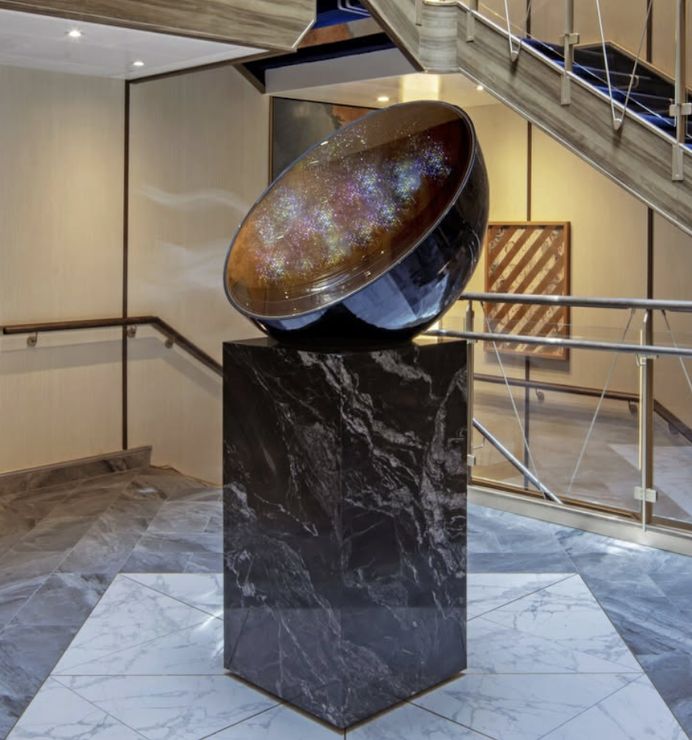 Photograph
PHOTOGRAPH — Magical Sky — Seabourn Pursuit atrium. © 2023 Seabourn Cruise Lines, Inc.
Reuben Forster worked on the Magical Sky installation for the Seabourn Pursuit cruise ship alongside Cory Burr, Stefan, Josh, and Ru over many months. It is a large aluminium hemisphere housing a precision-engineered infinity mirror solar system illusion that creates the convincing appearance of deep space.
That project gave us:
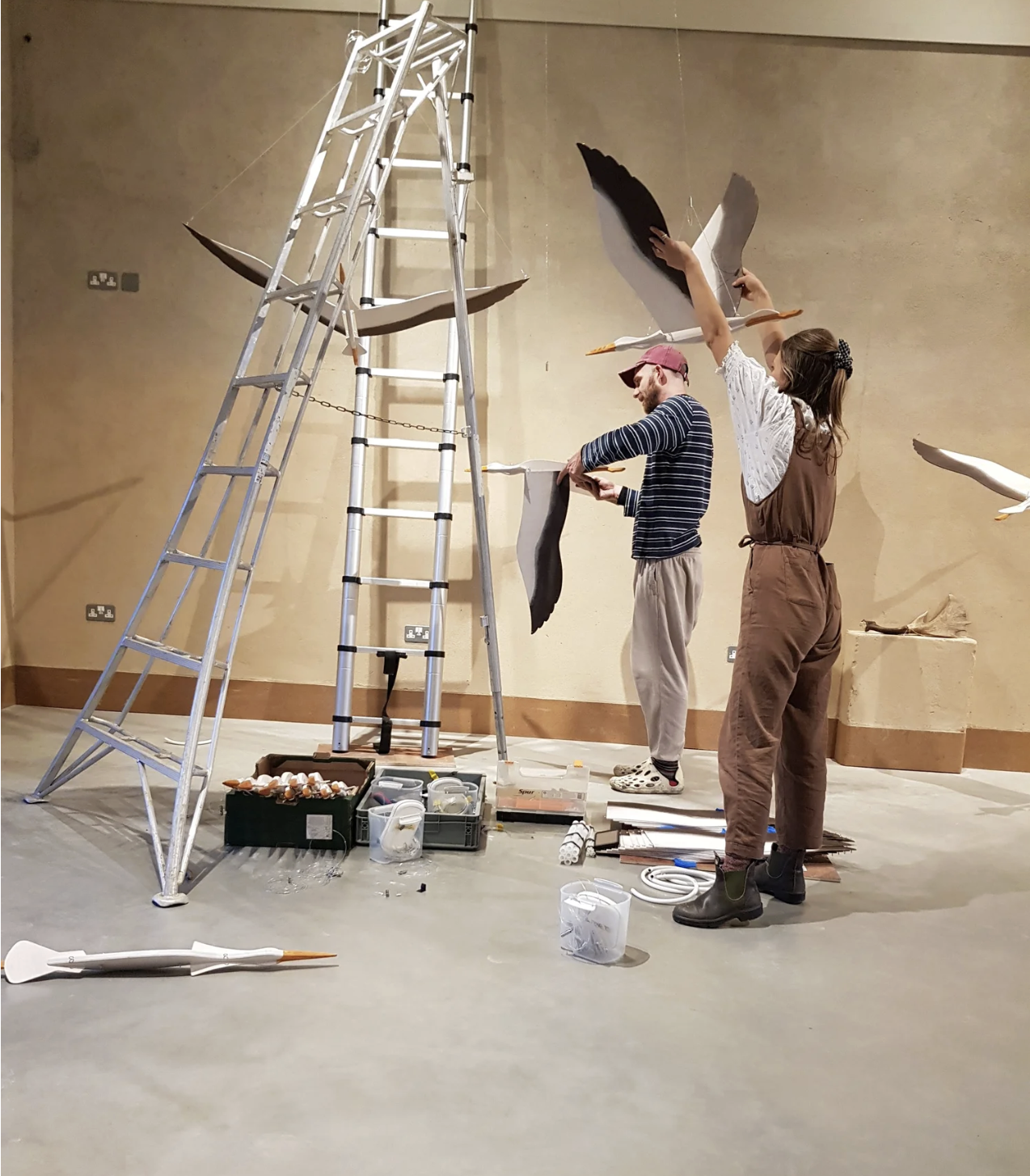
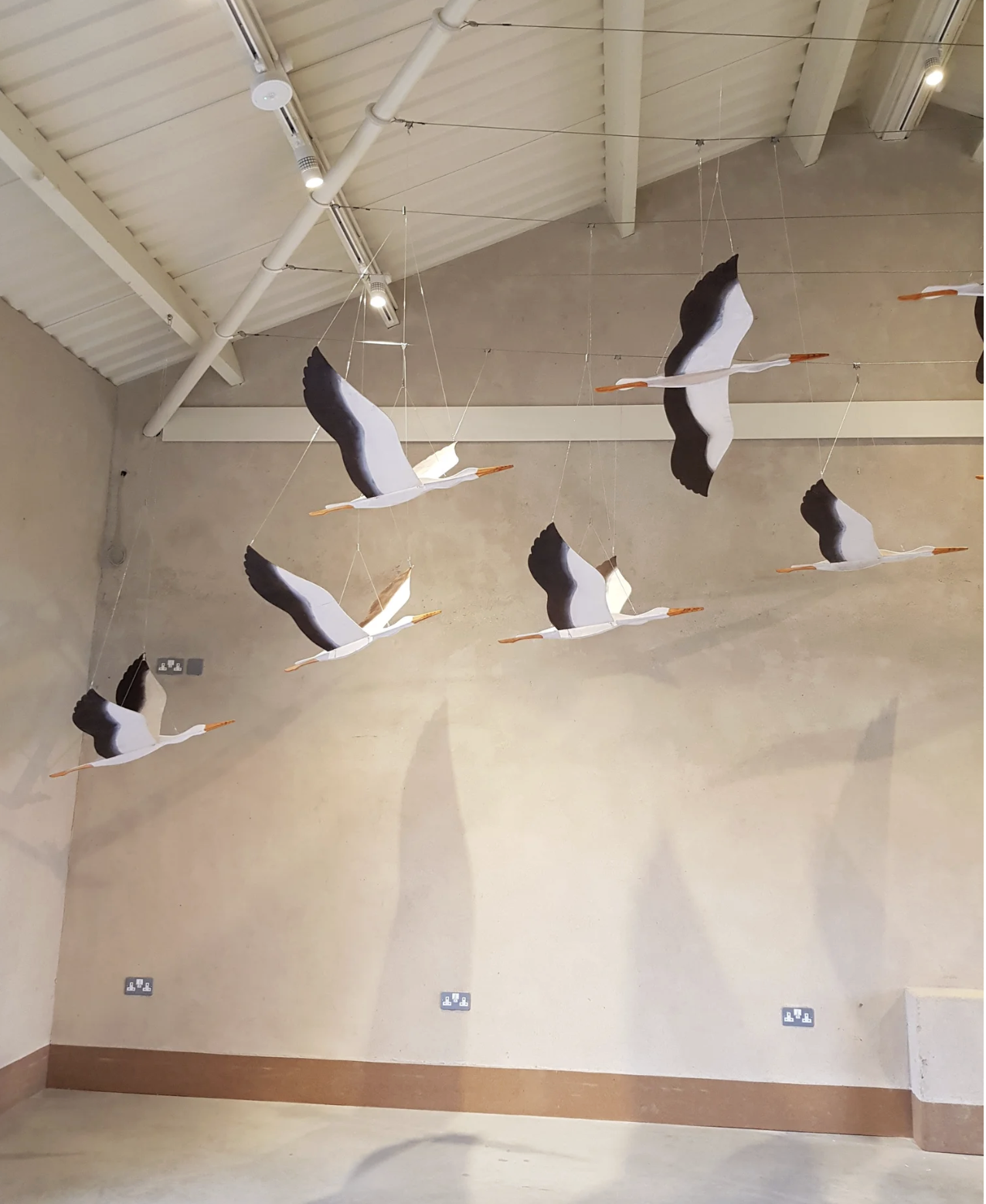
PHOTOGRAPHS — White Storks Take Flight at Knepp — rigging with a tripod pruning ladder (left), and the finished flock on invisible line (right).
Paper Jungle’s White Storks Take Flight (installed at Knepp) used the same core suspension hardware we are proposing here — TECNI® grippers with 1.5mm clear line to suspend plywood mobiles from ceiling beams.
That project proved:
Working backwards from the brief’s key dates:
| Phase | Dates | What Happens |
|---|---|---|
| 1. Commission & Prototyping | Mar–Jun 2026 | 50% deposit. Test crystal materials, twinkle engines, fibre combinations. 3D scan of dock. Finalise constellation selection and placement. |
| 2. Procurement | Jun–Jul 2026 | Order all materials. Long-lead items first. |
| 3. Workshop Fabrication | Aug–Oct 2026 | Build each constellation on the workshop jig. Prepare plinths and stories and artwork in parallel. |
| 4. On-site Installation | w/c 9 Nov 2026 | Set up power, rig constellations, install plinths. Two-week window allows careful alignment and testing. Target completion by 22 Nov. |
| 5. Handover | 24 Nov 2026 | Final adjustments, night-time testing, staff briefing on how to switch it on and off. |
| 6. Open to public | 25 Nov 2026 – 10 Jan 2027 | Weekly checks. |
| 7. De-rig & storage | w/c 11 Jan 2027 | Remove everything, clean removal, pack for storage. 3–5 days. |
| Requirement | Status |
|---|---|
| Creative response to brief | This document |
| Budget breakdown by element/area | See Section 4 (summary) and Design & Engineering Report (full line-by-line breakdown) |
| Examples of previous relevant work | See Section 5 — White Storks Take Flight at Knepp (paperjungle.org) |
| Public liability insurance | Confirmed. PLI will be in place covering full duration of installation over public area, including working at height during rig and de-rig. |
| Ability to deliver on specified dates | Confirmed. Rigging w/c 16 November 2026; open to public 25 November 2026; de-rig w/c 11 January 2027. |
Following the Star — Proposal
SS Great Britain Dry Dock, Bristol · Christmas 2026
© Paper Jungle 2026